
Beat the Heat: Smart Reducer Choices for Superior Trailer Finishes & Savings
Summer's warmth brings longer days and often, a surge in demand for trailers. But as temperatures rise, so do the challenges in your paint shop. If you've noticed more finish inconsistencies or higher rework rates when the heat is on, your solvent reducer strategy might be the culprit.
This critical but often overlooked component of your coating system plays a pivotal role in how your paint applies, dries, and ultimately looks. For trailer manufacturers, mastering your reducer selection isn't just about a prettier finish; it's about managing operating costs and ensuring consistent quality.
This article will dive into why adapting your reducer choice for warmer weather is crucial, how to select the optimal product, and how this simple switch can lead to significant improvements in your finish quality, cost savings, and overall competitiveness. We'll also explore the importance of finding a coatings supplier who truly understands your niche and provides the responsive support you need.
Why Your Paint Reducer Strategy Needs to Adapt in Warm Weather
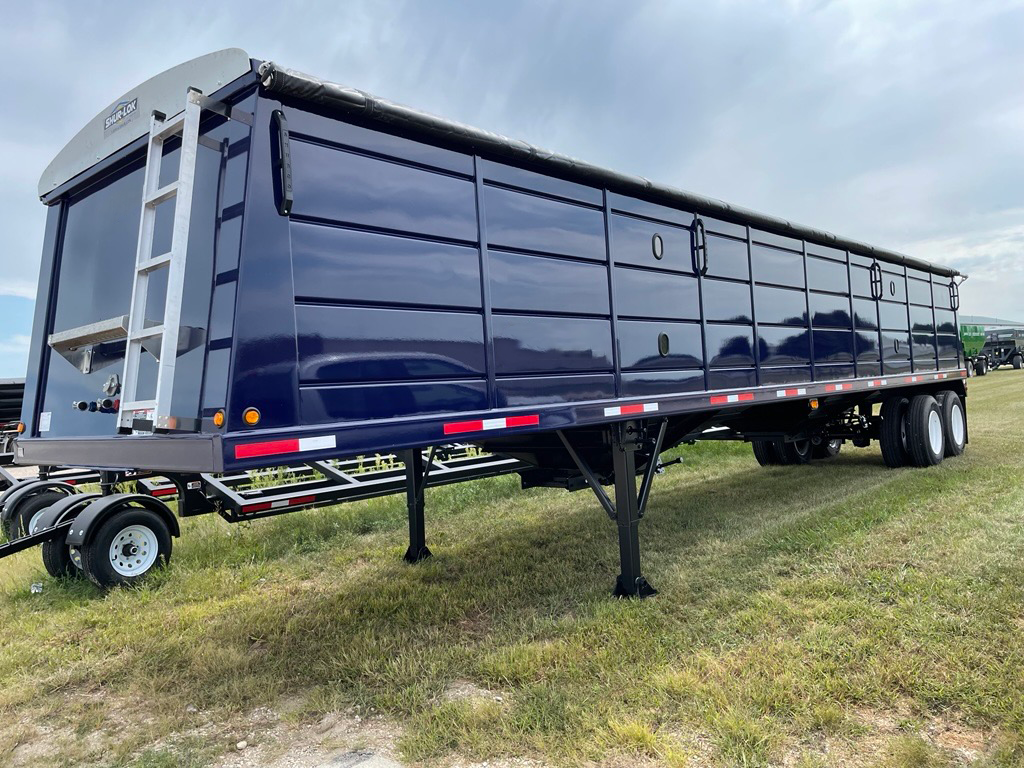 As the seasons change, so should your approach to paint formulation. Sticking with the same paint reducer year-round, especially as temperatures climb, can be a recipe for frustration and costly rework. The interaction between ambient conditions and your coating materials is a delicate balance, and the reducer is a key player in maintaining that equilibrium.
The Science: How Temperature & Humidity Affect Solvents and Drying
Paint reducers, at their core, are blends of solvents designed to thin your paint to the correct viscosity for application. They control how the paint flows, levels, and, crucially, how quickly it "flashes off" (solvents evaporating) and cures.
When the temperature increases, the solvents in your paint and reducer evaporate much faster. If you're using a reducer designed for cooler or moderate temperatures (a "fast" or "medium" reducer), the solvents might evaporate too quickly in warm conditions. This rapid evaporation can lead to a range of problems because the paint doesn't have enough time to flow out properly and form a smooth, even film. Paint viscosity and temperature are directly linked; higher temperatures generally lower viscosity, but if the solvents escape too fast, the paint can effectively become too thick on the surface too soon. High humidity can further complicate things by slowing down the final cure, even if the initial solvent evaporation is quick, potentially trapping moisture or leading to other defects.
The Risks of the "One-Size-Fits-All" Reducer Approach
Using an inappropriate reducer—typically one that's too "fast" for warm conditions—can lead to a host of common paint defects on your trailers:
- Orange Peel: The paint surface resembles the skin of an orange. This happens when the paint droplets don't have enough time to flow together and level out before setting.
- Solvent Pop: Solvents trapped beneath a prematurely skinned-over paint surface vaporize and create blisters or pinholes as they force their way out.
- Dull Gloss: Rapid solvent loss can prevent the paint film from forming a smooth, high-gloss surface.
For trailer manufacturers, the appearance and durability of the finish are paramount. These defects not only mar the look of a new trailer but can also compromise the long-term protection of the coating, leading to premature corrosion and customer dissatisfaction.
Selecting the Optimal Slow Reducer for Summer Trailer Painting
Understanding that warm weather demands a change in your paint reducer is the first step. The next is knowing how to choose the right one. For summer conditions, especially when coating the large surface areas of trailers, a "slow" reducer is generally your best bet.
Understanding Reducer "Speeds": Fast, Medium, and Slow
Paint reducers are typically categorized by their evaporation rate, often referred to as their "speed":
- Fast Reducers: Designed for cooler temperatures (e.g., 60-70°F / 15-21°C). Solvents evaporate quickly to speed up drying in cool conditions.
- Medium Reducers: Suited for moderate temperatures (e.g., 70-80°F / 21-27°C). Offer a balance of flow and drying time.
- Slow Reducers: Ideal for warmer to hot temperatures (e.g., 80°F+ / 27°C+). Solvents evaporate more slowly, giving the paint more "open time" to flow out and level properly, which is crucial for achieving a smooth finish on large surfaces in the heat. Using a slow reducer for high heat helps prevent the paint from drying too quickly before it reaches the surface or before you can complete a pass on a large trailer panel.
Your Go-To Guide: Interpreting Technical Data Sheets (TDS)
The single most important resource for selecting the correct reducer is the Technical Data Sheet (TDS) provided by your paint manufacturer. Every coating system is different, and the TDS will specify:
- Recommended reducers for that specific paint product.
- Mixing ratios.
- Application parameters.
Unique Insight: Following the TDS for reducer selection can significantly elevate your finish quality. The TDS acts as your expert guide, ensuring the chemistry of your coating works optimally, compensating for potential equipment limitations. Don't guess; always consult the TDS.
Matching Reducer to Your Specific Trailer Coating System
It's vital to use a reducer that is not only the correct speed for the temperature but also chemically compatible with your specific paint type. Using an incompatible reducer can lead to a range of issues, from poor curing to complete paint failure. For instance, the best reducer for urethane paint hot weather will be one specifically formulated by the manufacturer for that urethane system and for high-temperature application. Always use the reducer from the same paint system or one explicitly approved by the paint manufacturer.
The Bottom Line: How Smart Reducer Use Impacts Quality, Costs & Competitiveness
The choice of paint reducer might seem like a small detail, but its impact on your trailer manufacturing business is far-reaching. Getting it right translates directly to better quality, lower operating costs, and a stronger competitive position.
Achieving Showroom-Ready Finishes, Consistently
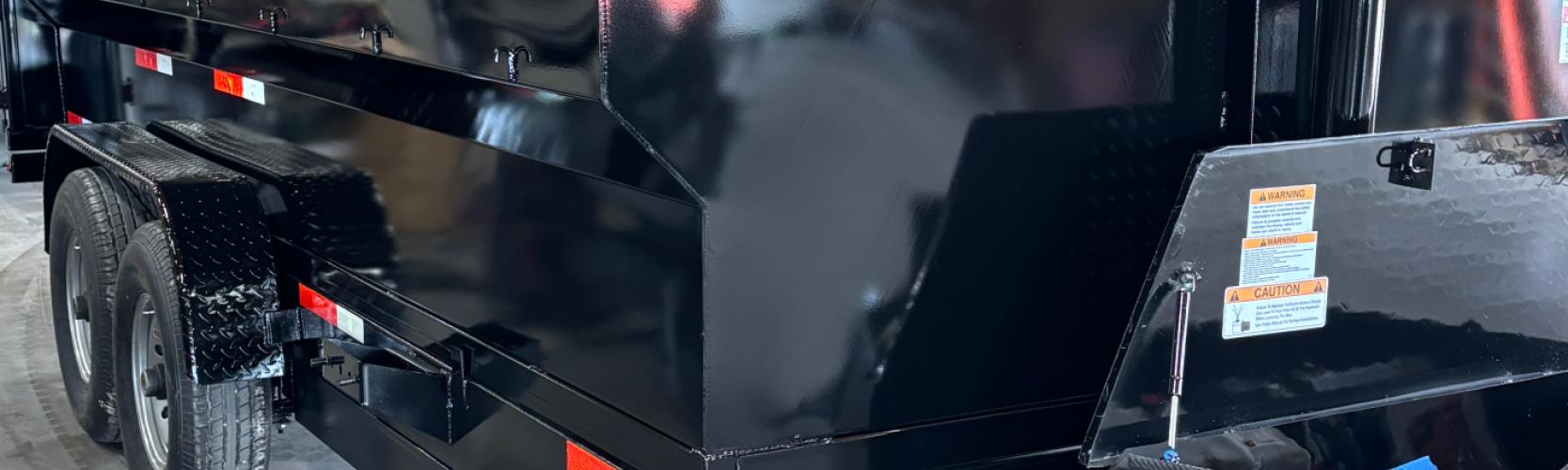
When the correct slow reducer is used in warm weather, it allows the paint to flow and level beautifully. This means a smoother, glossier finish straight off the gun, minimizing the "orange peel" effect and maximizing distinctness of image (DOI). For your customers, a visually appealing, high-quality finish on a trailer speaks volumes about its overall build quality and durability. Consistently delivering this level of trailer paint finish quality enhances customer satisfaction, builds your brand reputation, and can lead to more repeat business and referrals – crucial for thriving in your regional market.
Slashing Rework and Waste: A Direct Hit to Operating Costs
Paint defects caused by using the wrong reducer mean one thing: rework. Rework is a profit killer. It consumes:
- Labor: Stripping, sanding, re-masking, and re-spraying.
- Materials: More paint, reducer, activators, masking supplies, and abrasives.
- Booth Time: Reduces throughput and capacity.
- Energy: For booth operation and curing.
Consider this: if a typical rework job on a trailer section costs $200 in materials and 4 hours of labor at $50/hour (total $400), preventing just five such reworks a month saves $2,000. Annually, that's $24,000 straight to your bottom line. (Note: these are illustrative figures; actual costs can vary.)
Unique Insight: For mid-sized manufacturers focused on cost-effective paint application, minimizing rework through correct reducer selection is low-hanging fruit. It's a direct way to improve margins and free up resources, making your operation more agile and price-competitive against larger manufacturers who benefit from economies of scale.
Partnering for Success: What to Expect from Your Coatings Supplier
Your coatings supplier should be more than just a vendor; they should be a partner invested in your success. This is especially true when navigating technical challenges like selecting the right reducer for changing weather conditions. If your current coating supplier isn’t partnering with you to provide you with the tools to get the best finish on your trailers, you should consider switching to Diamond Vogel.
Beyond Products: Seeking Technical Expertise and Local Support
Diamond Vogel understands the nuances of how temperature and humidity affect their products, as well as a host of other factors that can negatively affect your coating’s appearance. We provide:
Proactive Advice: Alerting you to the need for seasonal adjustments, such as your reducer choice.
Troubleshooting: Quickly helping you diagnose and solve finish issues.
On-Site Support: Having a local representative who can visit your facility, understand your specific setup, and offer tailored recommendations is invaluable.
Training: Offering guidance to your paint team on best practices for product usage.
When you need technical support for paint reducers or other coating components, your supplier should be responsive and readily available. This level of service can be a lifeline, helping you maintain consistent quality and minimize downtime.
Custom Solutions for Your Trailer Market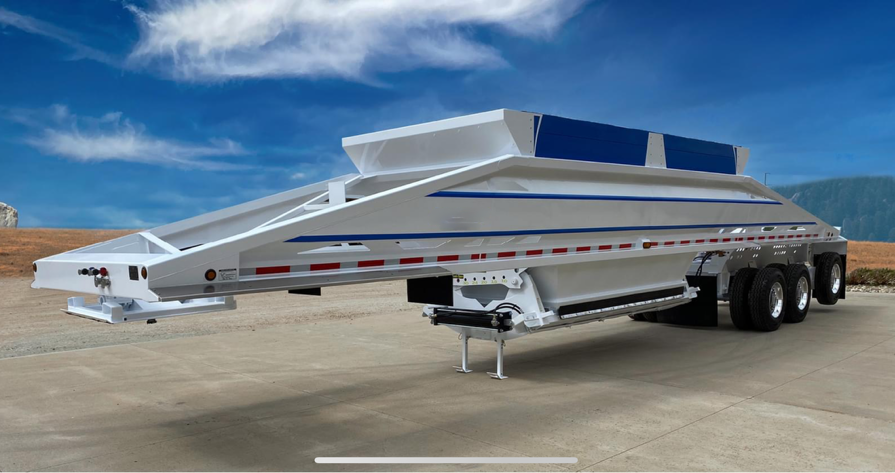
Different types of trailers (e.g., livestock, flatbeds, enclosed cargo, utility) may have slightly different coating demands due to their design, usage, and substrate materials. Diamond Vogel understands the unique demands of your niche trailer markets and can help you select the optimal coating system—including the right reducer strategy—for each.
Practical Application Tips for Warm Weather Coating Success
Selecting the correct slow reducer for warm weather is foundational, but proper application techniques are equally important to achieve that flawless finish on your trailers.
Best Practices for Mixing and Application
Even with the right products, sloppy practices can undermine your results. Ensure your team is:
Measuring Accurately: Use calibrated mixing cups or scales for precise ratios of paint, activator, and reducer as per the TDS. Eyeballing it can lead to inconsistent performance.
Mixing Thoroughly: Ensure all components are fully incorporated before spraying.
Monitoring Temperatures: Pay attention not just to ambient air temperature but also the substrate temperature. A trailer sitting in direct sun can be significantly hotter than the air, accelerating solvent evaporation even more.
Maintaining a Wet Edge: This is crucial when coating large surfaces in summer, like trailer sides. A slow reducer helps, but technique matters. Plan your spray pattern to always overlap onto a still-wet edge, preventing lap marks. This might involve adjusting your spray gun settings (fluid flow, fan pattern) or even having a second painter on very large jobs.
Spray Booth Environment and VOC Considerations
Your spray booth environment plays a critical role:
Optimize Airflow: Good, consistent airflow helps carry away evaporated solvents and aids in uniform drying. However, avoid excessive, direct drafts over the wet paint, which can cause premature surface drying.
Temperature Control (if possible): If your booth has climate control, aim for the paint manufacturer's recommended temperature range. If not, painting during cooler parts of the day (early morning) might be beneficial.
Unique Insight: You don't always need expensive upgrades. Simple booth adjustments, like ensuring filters are clean for optimal airflow, combined with the correct **reducer** and application technique, can make a substantial difference to your finish quality without requiring major capital investment. This pragmatic approach is ideal for mid-sized manufacturers managing operating costs.
Quick Takeaways
- Warm Weather Warning: Higher temperatures accelerate solvent evaporation; using the wrong (too fast) reducer leads to paint defects.
- Slow is Pro: In warm/hot weather, a "slow" reducer gives paint adequate time to flow and level, crucial for large trailer surfaces.
- TDS is Key: Always consult your paint manufacturer's Technical Data Sheet for the correct reducer type and temperature range.
- Quality Boost: The right reducer means smoother, glossier finishes, enhancing your trailer's appeal and perceived value.
- Cost Cutter: Preventing defects like orange peel and solvent pop with the correct reducer significantly reduces expensive rework, saving labor and materials.
- Supplier Partnership: A responsive supplier offering technical expertise and understanding your niche market is vital for optimal coating performance.
- Application Matters: Proper mixing, temperature monitoring, and maintaining a wet edge are critical, even with the right reducer.
Ready to optimize your warm weather coating process and say goodbye to summer paint problems? Contact Diamond Vogel today to discuss the best solvent reducer strategy for your specific trailer types and operational needs. Take the first step towards flawless finishes and improved profitability this season by filling out the form below today.