Choosing the Right Reducer
Beat the heat: Choosing the right reducer for better finishes
Summer often brings increased production demand, but it can also introduce new challenges in the paint shop. If you see more finish inconsistencies, reduced gloss, or higher rework rates as temperatures climb, your reducer selection may be a contributing factor.
Reducer choice has a direct impact on paint flow, leveling, drying, and overall appearance. For OEM manufacturers, adjusting reducer selection for seasonal conditions is a simple way to improve finish quality, reduce costly defects, and maintain production efficiency.
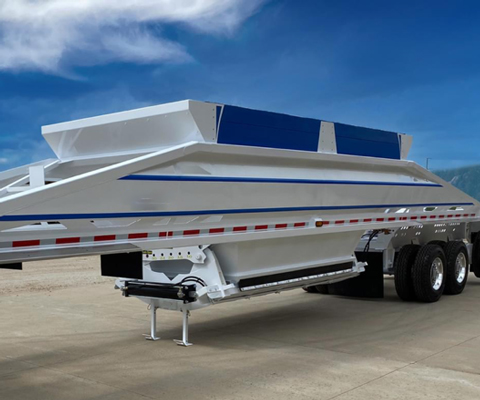
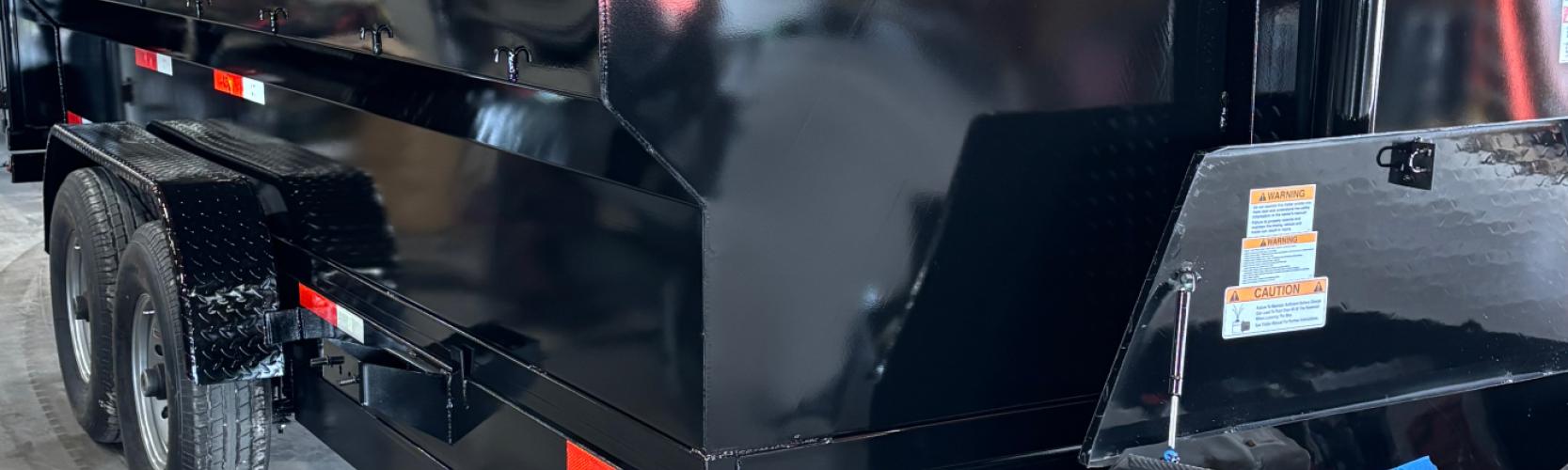
Whether you're coating trailers, agricultural equipment, construction equipment, material handling products, or other manufactured metal components, understanding how temperature affects coating performance can help you achieve more consistent results throughout the summer months.
This article explains why warm weather reducer selection matters, how to choose the right option for your coating system, and how proper application practices can improve finish quality while reducing rework and operating costs.
Why warm weather changes coating performance
As temperatures rise, solvent evaporation accelerates. While that may sound beneficial, coatings that dry too quickly often create appearance and performance issues.
Paint reducers are formulated to control viscosity, flow, leveling, and flash times. When a reducer designed for cooler temperatures is used during hot weather, solvents can evaporate before the coating has enough time to properly level across the surface.
The result can be common coating defects such as:
- Orange peel
- Solvent pop
- Reduced gloss
- Inconsistent appearance
- Increased rework
These issues affect more than aesthetics. They can increase labor costs, consume additional materials, reduce throughput, and negatively impact long-term coating performance.
For manufacturers producing large parts and equipment, selecting a reducer appropriate for the season is one of the simplest ways to improve finish consistency.
Selecting the right reducer for summer conditions
Reducers are generally categorized by evaporation rate:
- Fast reducers are designed for cooler temperatures.
- Medium reducers work well in moderate conditions.
- Slow reducers provide longer flow and leveling time during warmer temperatures.
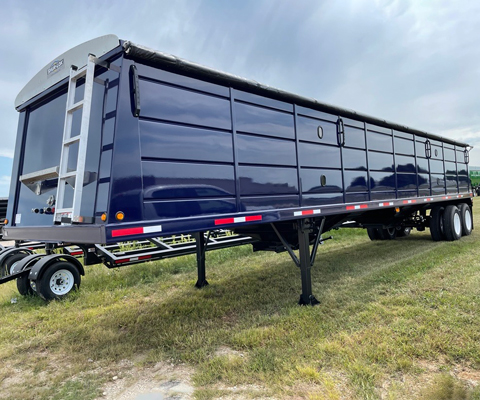
For many summer coating applications, slow reducers help coatings remain open longer, allowing the film to flow out properly before drying. This is especially important when coating large surfaces such as trailers, agricultural equipment, construction equipment, and heavy-duty components.
The best source for reducer selection is always the manufacturer's Technical Data Sheet (TDS).
The TDS provides:
- Approved reducer options
- Mixing ratios
- Temperature recommendations
- Application requirements
Using the correct reducer not only supports appearance goals but also helps ensure coating chemistry performs as intended. To avoid compatibility issues, always use reducers approved for your specific coating system.
Better reducer selection means better business results
Reducer selection may seem like a minor detail, but the impact can be significant.
When coatings have proper flow and leveling time, manufacturers often achieve:
- Improved gloss and appearance
- More consistent finish quality
- Fewer coating defects
- Less rework
- Improved production efficiency
- Lower material waste
- Reduced labor costs
Rework is particularly expensive because it requires additional labor, materials, booth time, and energy. Preventing defects before they occur is often far more cost-effective than correcting them later.
For OEM manufacturers looking to improve profitability, optimizing reducer selection is a low-cost operational improvement that can deliver measurable returns.
Practical tips for warm weather coating success
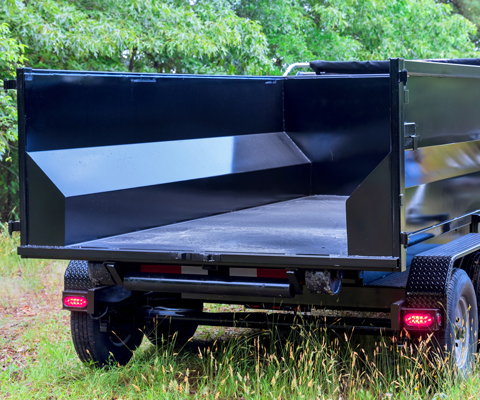
Selecting the right reducer is only part of the solution. Consistent application practices are equally important.
To maximize coating performance in warm weather:
- Follow TDS mixing ratios precisely.
- Measure paint components accurately.
- Thoroughly mix all coating materials.
- Monitor both air temperature and substrate temperature.
- Maintain a wet edge during application.
- Ensure spray booth filters and airflow systems are functioning properly.
- Avoid excessive airflow that may accelerate surface drying.
Many coating issues attributed to product performance are actually caused by environmental conditions or application variables. Combining the proper reducer with good process control can significantly improve finish consistency without requiring major equipment investments.
Improve warm weather coating performance
Warm weather doesn't have to mean more defects, downtime, or rework. With the right reducer strategy and expert technical support, manufacturers can improve finish quality, increase production efficiency, and reduce operating costs.
Contact Diamond Vogel to discuss the best reducer recommendations for your coating system, application environment, and production goals.