The Cost of Color
The Cost of Color: Why Bright Industrial Coatings Fade
And what it means for your specification
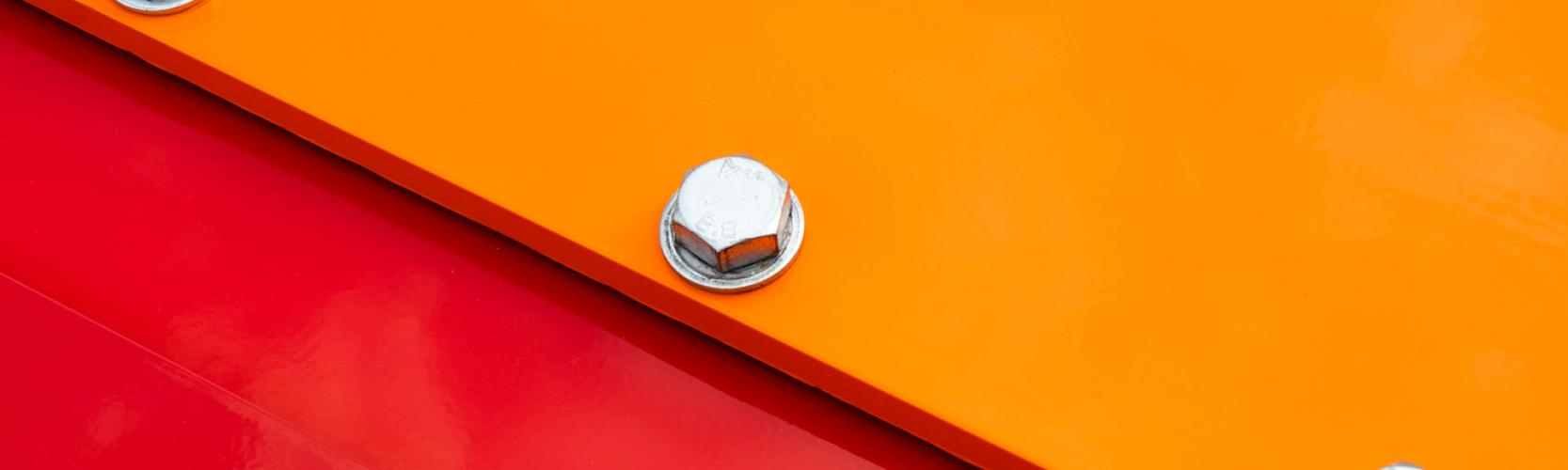
Bright color looks right on day one. The problems show up later.
When specifying exterior coatings for OEM equipment, color is more than a design choice. It's a performance variable. The wrong specification leads to fading, color shift, and rework that starts in the field and works its way back to your line.
Most color failures aren't application issues. They're specification problems, decided before the first part is ever coated.
What Causes Color to Fade
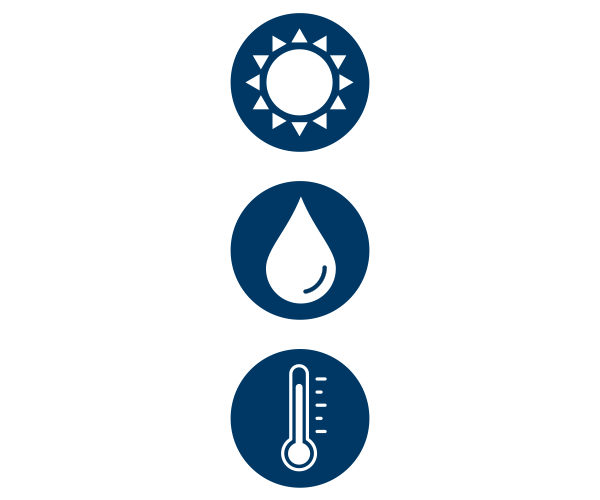
Three forces drive every exterior color failure:
UV exposure breaks molecular bonds at the coating surface. Moisture carries oxygen and contaminants into defects in the film. Heat accelerates both reactions.
Together, they break down resin and pigment over time. The result: fading, chalking, or permanent color shift.
This isn't random. Fade is predictable based on exposure conditions and formulation choices.
Not All Fade Is the Same
There are two distinct types of color failure, and they require different responses. One is recoverable. The other isn't.
The difference comes down to whether the damage is in the resin (surface level) or in the pigment itself (permanent). Knowing which one you're looking at changes how you respond, and whether a recoat will fix it.
The full guide covers a simple field test to tell them apart.
Why Bright Colors Are the Hardest to Hold
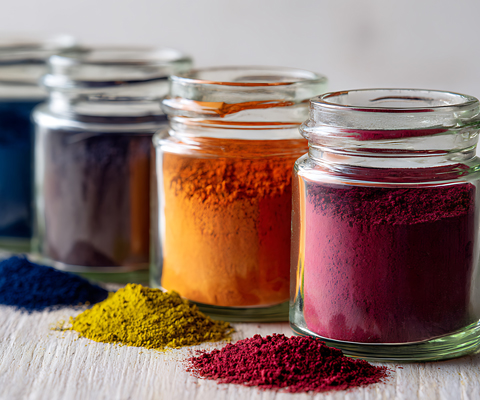
Reds, oranges, and yellows rely on organic pigment chemistry: vivid, but more vulnerable to UV degradation. Blues and earth tones use inorganic pigments that are chemically stable but can't hit the same saturation.
That tradeoff, brightness versus stability, is at the center of every bright color specification. And when two pigments in a blend fade at different rates, the color doesn't just get lighter. It shifts direction.
Four formulation variables determine how far a color will move over time: pigment chemistry, pigment combinations, pigment loading, and chroma intensity. The full guide breaks each one down.
The Specification Defines the Outcome
Most OEM coating specifications fall into three durability tiers, from interior-only to high-performance exterior. The ame starting color can look dramatically different after twelve months of Florida exposure depending on which tier was specified.
Choosing the wrong tier leads to early fade, mismatched assemblies, rework, and lost trust. Choosing the right one keeps color consistent and production moving without callbacks.
Download the Full Guide
The Cost of Color breaks down fade science, pigment families, durability tiers, and real field comparisons side by side, including what one year of Florida exposure actually does to bright yellow, orange, red, and green across different coating systems.
It also includes five qualifying questions to ask before you specify any bright color for exterior use.